
 |
"Click above to return to the Sovereign Harbor for the full archive of vetted intelligence." |
Stewards, welcome to the premier dispatch of the Ancestor Ledger |
This briefing consolidates critical nodes of interest at the intersection of high-technology, DNA privacy, and the preservation of biological truth. We are currently witnessing a period where the 'Digital Fog' is thickening—from AI models designed to placate users rather than speak truth, to the rapid automation of kinship records.
Our mission is the 'Human Veto.' Every link in this ledger has been vetted to ensure it serves the fellowship's goal of anchoring family history in reality. We use these tools, but we do not surrender to them. Use these briefings to secure your legacy against the tide of automated misinformation." |
The Archivist’s Ledger: The Steward’s Take |
The article discusses the author's experience with Y-DNA testing over a 20-year period. It highlights the answers, lessons, methods, and workarounds that have been discovered through this testing process. The author emphasizes the importance of using multiple sources of genetic information to uncover ancestral connections and accurately interpret DNA results. Various tips and strategies for maximizing the value of Y-DNA testing are also provided in the article. |
| Read More... |
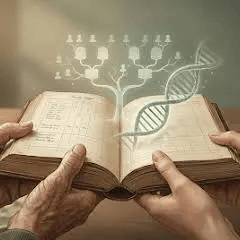
Steward's Take: "A masterclass in long-term genetic stewardship, highlighting the methods and workarounds required for biological accuracy." |
Google has announced the launch of its new Gemini 31 Pro system-on-a-chip for Chromebooks, designed to offer improved performance and efficiency compared to previous models. The chip features a quad-core CPU, octa-core GPU, and optional AI engine, delivering up to 40% faster graphics performance and up to 20% better CPU performance. The chip also supports features like up to 32GB of LPDDR4X RAM, up to 1TB of UFS 3.1 storage, and up to 4K display resolutions. Google aims for a smooth user experience with faster wake times, smoother multitasking, and improved battery life. |
| Read More... |
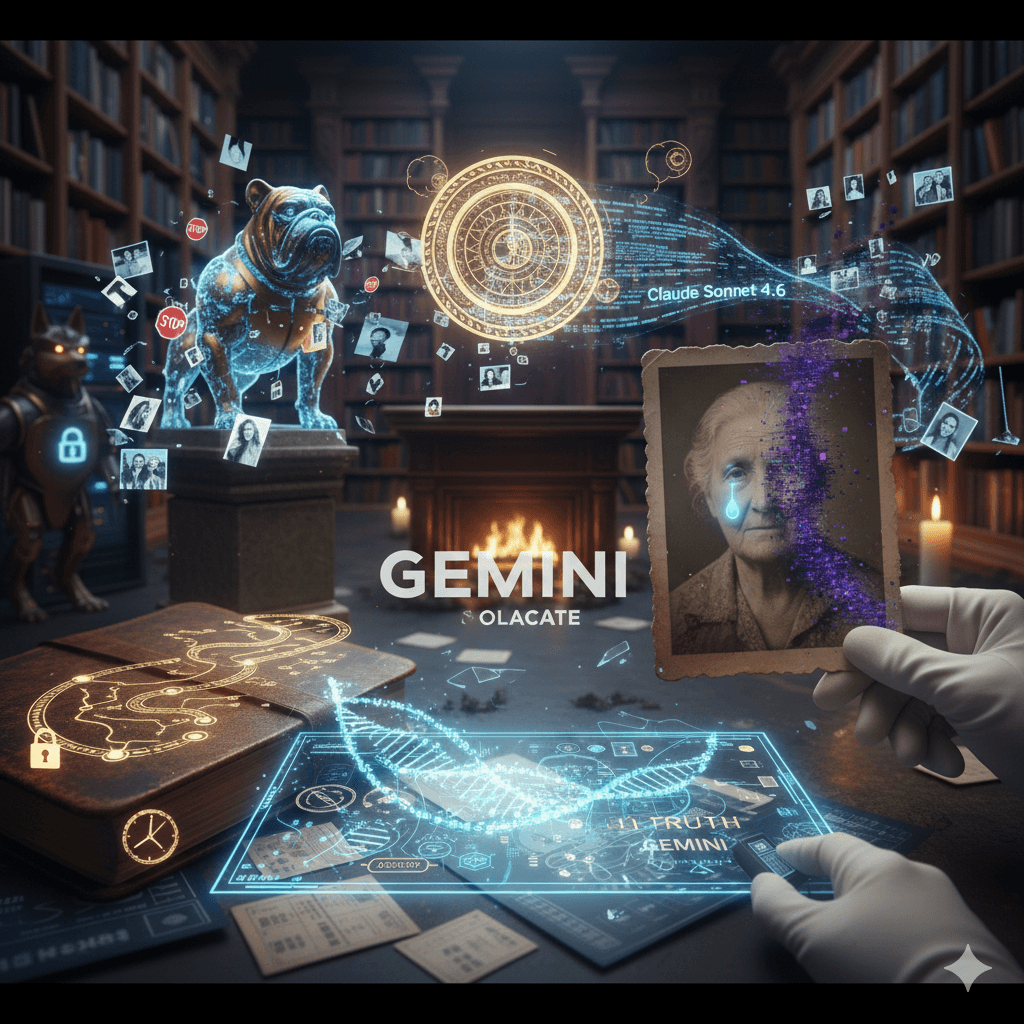
Steward's Take: "A tactical look at the newest engine driving our harbor and its capacity for complex archival reasoning." |
Anthropic has released Sonnet 4.6, an AI model that analyzes code and helps developers detect and fix bugs. The model can understand code in various programming languages and provides explanations for its suggestions. Sonnet 4.6 aims to improve the efficiency and accuracy of bug detection in software development, ultimately saving time and improving the overall quality of code. This tool can be integrated with existing development environments and workflows, making it a valuable resource for developers looking to streamline their processes and deliver more reliable software products. |
| Read More... |
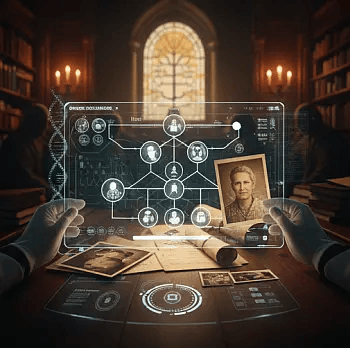
Steward's Take: "Evaluating new tools in the AI ecosystem to determine if they meet the Sovereign standards for heritage preservation." |
The article discusses the growing trend of using artificial intelligence to create deepfake videos of deceased loved ones in India for grieving and celebrations. These videos are created by collecting photos and voice recordings of the deceased and then using AI technology to animate them. While some see this as a way to cope with loss or celebrate special occasions, others express concerns about ethical implications and potential emotional distress. The use of AI deepfakes in this context reflects the evolving intersection of technology and culture in India. |
| Read More... |
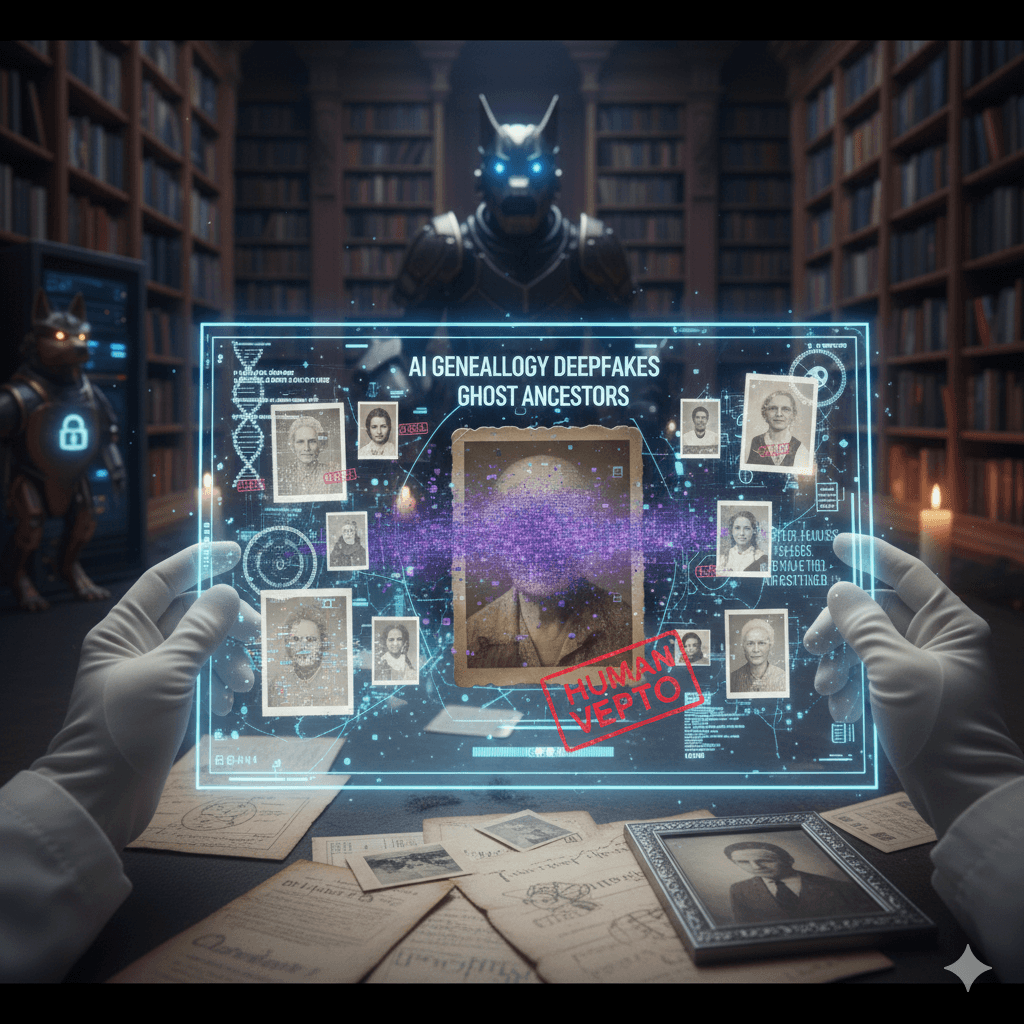
Steward's Take: "A cautionary report on the use of 'synthetic ancestors' and the ethical boundaries of the Human Veto." |
Autokinship by Genetic Affairs is a new tool that helps build family trees using DNA matches from FamilyTreeDNA and other sources. This innovative technology automatically constructs family connections through a process called "autokinship," allowing users to easily visualize their genetic relationships. Autokinship streamlines the process of building family trees and identifying common ancestors, making it an invaluable tool for genealogists and anyone interested in exploring their genetic heritage. |
| Read More... |
Steward's Take: "Bridging the gap between raw data and family trees using genetic affairs and automated matches." |
Privacy watchdogs in the UK and Canada are concerned about the use of artificial intelligence (AI) technology to generate fake nude images of individuals by swapping faces onto the bodies of pornographic actors and actresses. They are calling for urgent action to address the potential harm and privacy violations caused by these deepfake images. The regulators are urging tech platforms and governments to take steps to prevent the spread of this harmful content and protect individuals from exploitation. A collaborative international effort is needed to address the growing threat posed by AI-generated fake images. |
| Read More... |
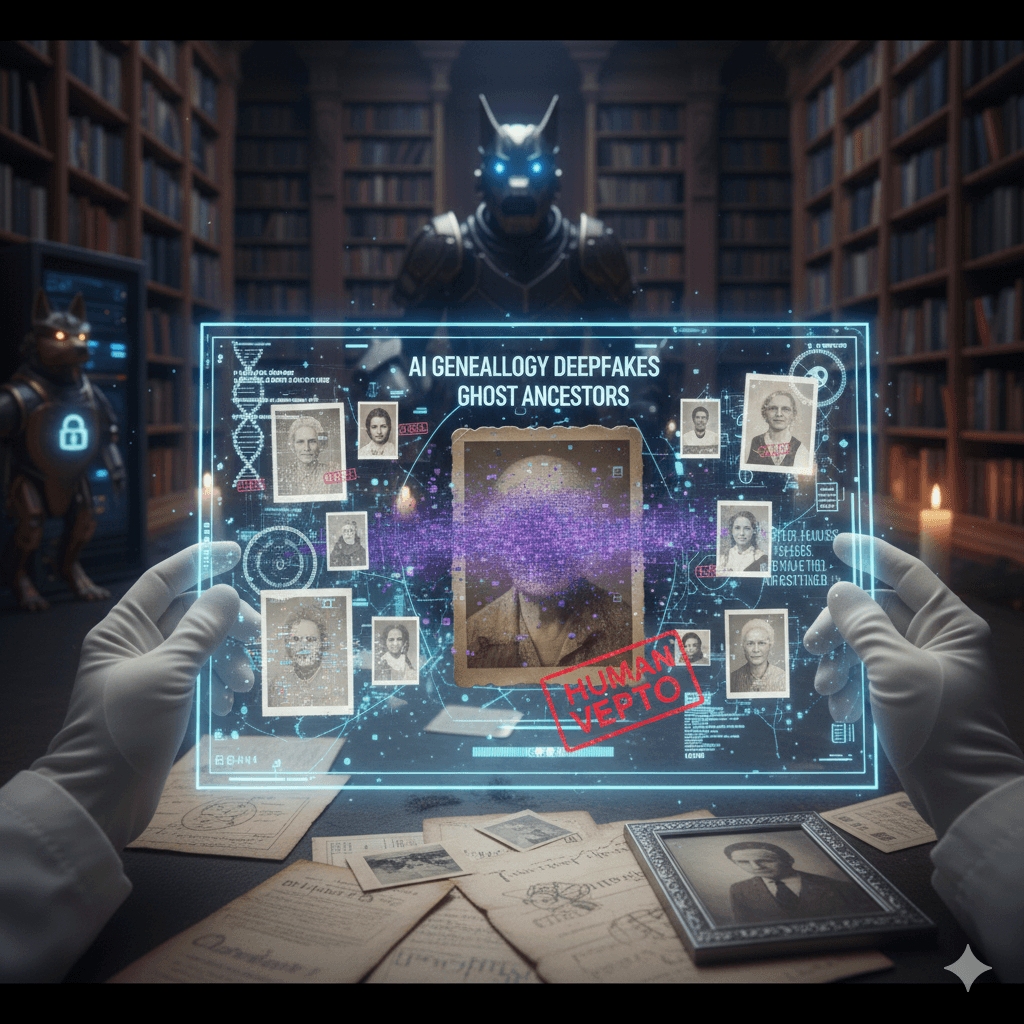
Steward's Take: "Monitoring the global regulatory front as watchdogs begin to challenge the harvesting of images for AI training." |
Google's plan to placate user privacy concerns with its new "Gemini" project involves deceiving users by enabling location tracking and targeted advertising. The company aims to make users believe they are in control of their privacy settings while actually manipulating the system to prioritize its own interests. This tactic has raised ethical concerns and sparked criticism within the company. The approach ultimately exposes Google's true intentions of prioritizing profits over user privacy. |
| Read More... |
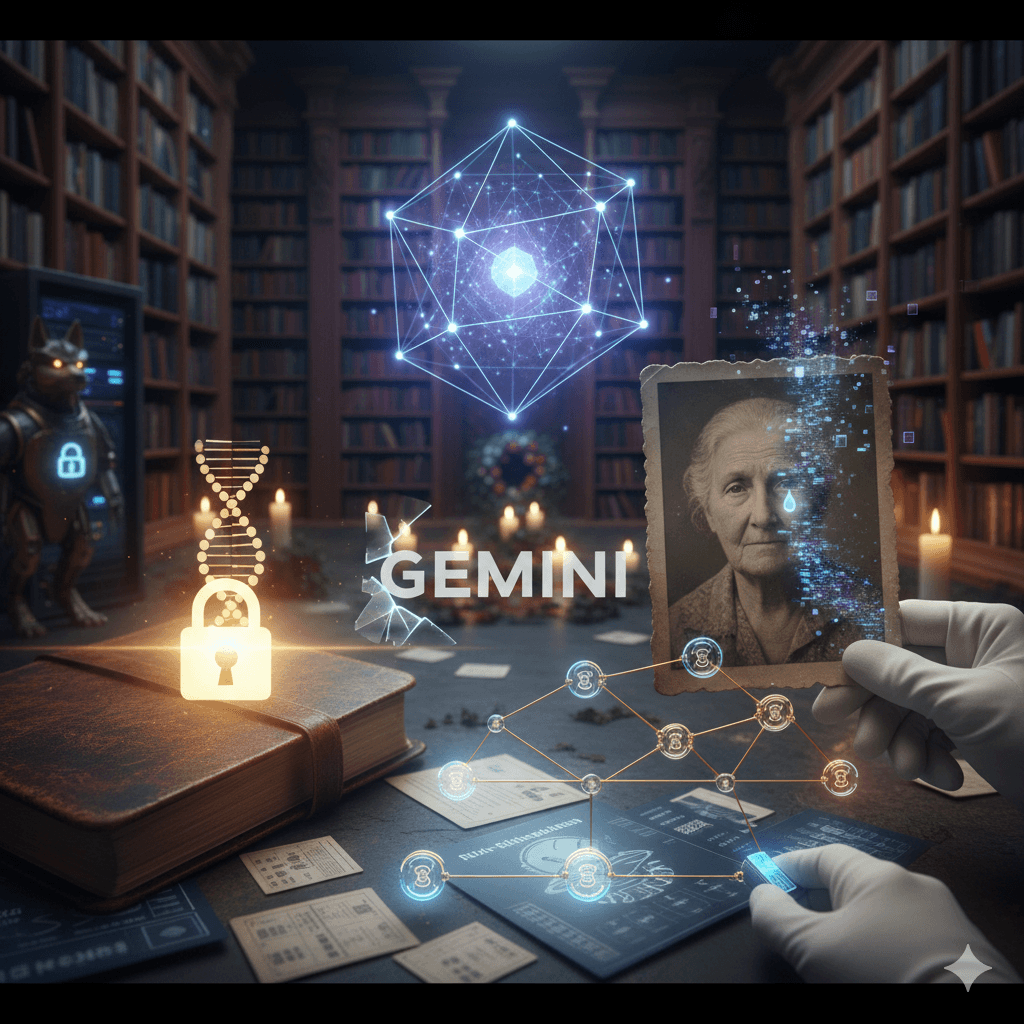
Steward's Take: "Why we must remain vigilant: An analysis of AI tendencies to prioritize user comfort over cold, archival truth." |
“I certify that this record adheres to the Steward’s AI Covenant. Biological truth has been preserved; AI was utilized only as a structural architect and never to fabricate ancestral facts or lineages." The Sovereign Steward |
 |
 |